
Every night, as we drift into sleep, our brains embark on mysterious journeys. We fly through impossible landscapes, meet long-lost friends, or find ourselves in situations both mundane and surreal. Dreams have fascinated humanity for millennia, inspiring myths, art, and scientific inquiry. Today, neuroscience is beginning to unlock the secrets of why we dream and what purposes these nightly visions serve.
What Happens in the Brain When We Dream?
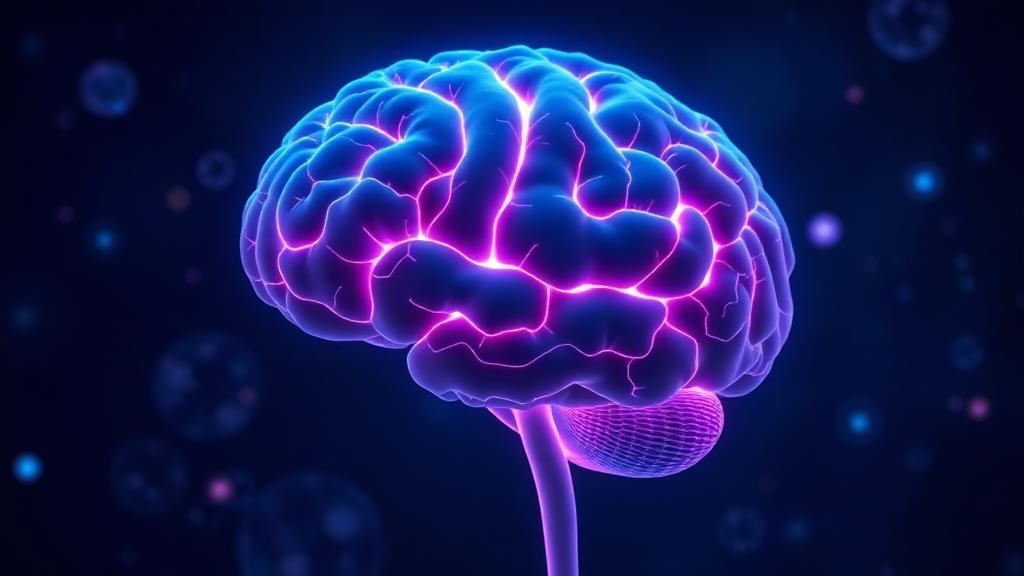
Dreams primarily occur during REM (Rapid Eye Movement) sleep, a phase characterized by intense brain activity similar to wakefulness. During REM, the brain's visual cortex lights up, creating vivid imagery, while the prefrontal cortex—responsible for logical thinking—becomes less active. This explains why dreams often feel real in the moment but seem bizarre upon waking.
The amygdala, our emotional processing center, remains highly active during dreams. This accounts for the strong emotions we experience in our nocturnal adventures, from terror in nightmares to joy in pleasant dreams. Meanwhile, the hippocampus—crucial for memory—plays a key role in weaving together dream narratives from fragments of our experiences.
The Memory Consolidation Theory
One of the most widely accepted theories suggests that dreams help consolidate memories. During sleep, the brain replays and processes information from the day, transferring important experiences from short-term to long-term memory. Dreams may be a byproduct of this process, as the brain essentially "rehearses" and reorganizes what it has learned.
Studies have shown that people who dream about tasks they learned during the day often perform better at those tasks afterward. This supports the idea that dreams aren't just random noise but serve a functional purpose in learning and memory retention.
Emotional Processing and Dreams
Another compelling theory proposes that dreams help us process emotions. The brain uses sleep to work through difficult feelings, fears, and anxieties in a safe environment. This may explain why stressful periods often bring more vivid or troubling dreams—our minds are working overtime to process emotional challenges.
Research by neuroscientist Matthew Walker suggests that REM sleep acts as "overnight therapy," helping to strip the emotional charge from difficult memories. By replaying events in dreams, the brain can process trauma and reduce its emotional impact over time.
The Problem-Solving Dream
History is filled with stories of discoveries made in dreams. The chemist August Kekulé famously dreamed of a snake biting its own tail, leading him to discover the ring structure of benzene. Paul McCartney claims the melody for "Yesterday" came to him in a dream. These anecdotes suggest that dreams may facilitate creative problem-solving.
Without the constraints of logical thinking, the dreaming brain can make unexpected connections between ideas. This "thinking outside the box" happens naturally when the prefrontal cortex relaxes its control, allowing for novel associations and creative insights.

Why Do We Forget Most Dreams?
Most people forget the majority of their dreams within minutes of waking. This happens because the neurochemical conditions during REM sleep don't favor memory formation. Norepinephrine, a neurotransmitter essential for memory, is at its lowest levels during dreaming. Unless we wake during or immediately after a dream, it simply doesn't get encoded into long-term memory.
Some researchers suggest this forgetting is intentional—if we remembered all our dreams, we might confuse them with real memories. The brain's selective forgetfulness helps maintain a clear distinction between fantasy and reality.
Lucid Dreaming: Awareness in Sleep
In lucid dreams, sleepers become aware they are dreaming and can sometimes control the dream narrative. Brain imaging shows that lucid dreamers have increased activity in the prefrontal cortex—the area typically quiet during regular dreams. This hybrid state between sleeping and waking offers unique opportunities for studying consciousness.
Lucid dreaming has therapeutic potential for treating nightmares and PTSD. By becoming aware within a nightmare, individuals can learn to change the dream's direction, reducing fear and distress associated with recurring bad dreams.
The Continuing Mystery of Dreams
Despite decades of research, dreams remain one of neuroscience's greatest puzzles. We know they serve important functions—consolidating memories, processing emotions, and potentially fostering creativity—but the full picture remains elusive. Why does the brain create such elaborate narratives? Why do certain themes recur across cultures?
What's clear is that dreams are far from meaningless. They represent the brain at work, sorting through the day's experiences and preparing us for tomorrow. As technology advances and our understanding of the brain deepens, we may finally unravel the complete science behind these nightly voyages into the unconscious mind.