The foods we eat daily often have histories far more fascinating than we realize. A simple bowl of pasta, a slice of pizza, or a square of chocolate carries centuries of human culture, trade, and innovation. Here are the surprising stories behind some of our most beloved foods.
Pasta: Not Actually Italian
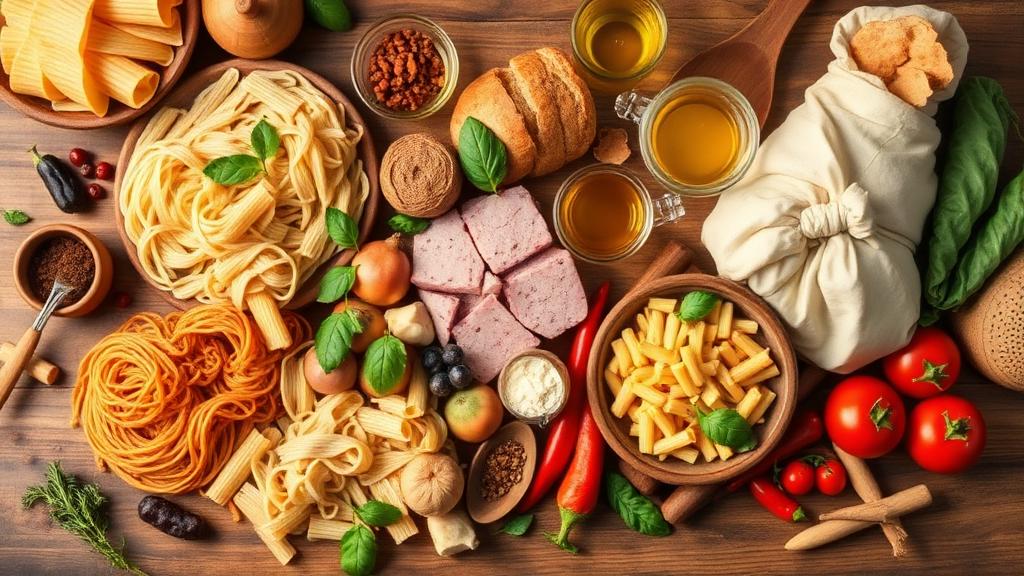
Pasta is believed to have originated in China, with evidence dating back over 4,000 years, before spreading to Italy. While the popular legend credits Marco Polo with bringing noodles from China to Italy, historians now believe that pasta likely evolved independently in different cultures. What's certain is that Italy perfected the art of pasta-making, creating the hundreds of shapes we know today.
The oldest known noodles were discovered in northwestern China in 2005, preserved for 4,000 years under an overturned bowl at an archaeological site. These noodles were made from millet, not wheat, showing that ancient civilizations adapted pasta to their available grains.
Pizza Margherita: A Royal Creation
Pizza Margherita was created in 1889 to honor Queen Margherita of Savoy, featuring her favorite ingredients: basil, mozzarella, and tomatoes. These three toppings were deliberately chosen to represent the colors of the Italian flag—green, white, and red—making the pizza a patriotic symbol as well as a culinary delight.
Before becoming the global phenomenon it is today, pizza was considered peasant food in Naples. It wasn't until Queen Margherita's endorsement that pizza gained respectability among Italy's upper classes and eventually spread worldwide.
Chocolate: From Currency to Confection
Chocolate began not as a sweet, but as a bitter, spiced drink used in religious ceremonies by the Olmec, Maya, and Aztec civilizations more than 3,000 years ago. Cacao beans were so valuable they were used as currency across Mesoamerica — historical records show a turkey could be bought for around 100 beans, and a fresh avocado for three. Counterfeit beans, hollowed out and refilled with clay, were even documented as an early form of fraud.
When Spanish colonists brought cacao back to Europe in the 16th century, sugar transformed it from a bitter ritual drink into the sweet confection we know today. Milk chocolate as a solid bar didn't appear until 1875, invented in Switzerland by Daniel Peter using powdered milk developed by his neighbor, Henri Nestlé. Today the global chocolate industry is worth over 120 billion euros — but every bar still traces back to the same tropical bean the Aztecs measured out as money.
Saffron: The World's Most Expensive Spice
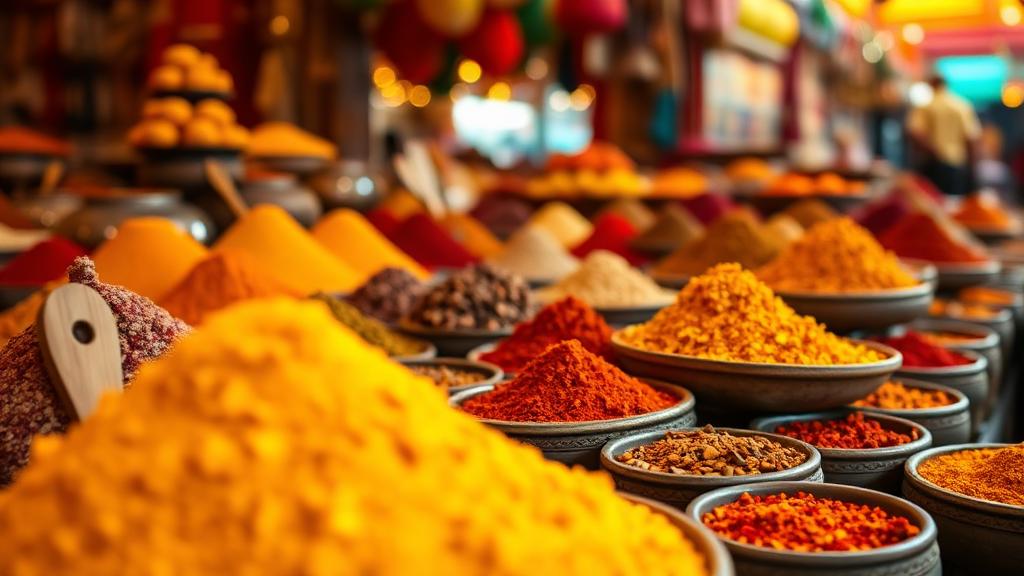
Saffron, derived from the stigma of the Crocus sativus flower, is the most expensive spice in the world, requiring about 150,000 flowers for one kilogram. Each flower produces only three stigmas, and they must be harvested by hand during a brief two-week flowering period each autumn.
The labor-intensive harvesting process explains why saffron costs more per gram than gold. Despite its price, saffron has been prized for over 3,500 years for its distinctive flavor, vivid color, and supposed medicinal properties.
The Hot Dog: A German-American Story
The hot dog is believed to have originated in Germany, but it became an iconic American food during the 19th century. German immigrants brought their sausage-making traditions to the United States, where vendors began selling "dachshund sausages" from street carts in New York City.
The name "hot dog" may have originated from a cartoonist who couldn't spell "dachshund" and simply drew a hot sausage in a bun calling it a "hot dog." By the early 1900s, hot dogs had become a staple at baseball games and Coney Island, cementing their place in American food culture.
Kimchi: A UNESCO Heritage Food
Kimchi, a staple in Korean cuisine, has over 180 variations and is recognized by UNESCO as an Intangible Cultural Heritage. This fermented vegetable dish has been a cornerstone of Korean food culture for over 2,000 years, with recipes passed down through generations.
The traditional practice of making kimchi, called "kimjang," typically takes place in late autumn when families gather to prepare enough kimchi to last through winter. This communal activity strengthens family bonds and preserves cultural traditions.
Afternoon Tea: A Hunger Solution
The tradition of afternoon tea originated in England in the early 1840s by Anna Russell, the Duchess of Bedford, to stave off hunger before dinner. At the time, dinner wasn't typically served until 8 or 9 PM, leaving a long gap after lunch. The Duchess began requesting tea and light snacks in the late afternoon, a practice that quickly spread through high society.
What started as a practical solution to afternoon hunger pangs became an elaborate social ritual. Today, afternoon tea remains a cherished British tradition, complete with scones, finger sandwiches, and fine china.
Every meal we eat connects us to centuries of human history, creativity, and cultural exchange. The next time you enjoy a bowl of pasta or a cup of tea, remember: you're participating in traditions that have traveled across time and continents to reach your table.