
Have you ever felt a rush of excitement when you learned something unexpected? That satisfying feeling when a piece of trivia clicks into place? This is not just imagination—your brain is literally rewarding you for learning. Understanding why discovery feels so good can help us appreciate the profound connection between curiosity and human happiness.
The Dopamine Connection
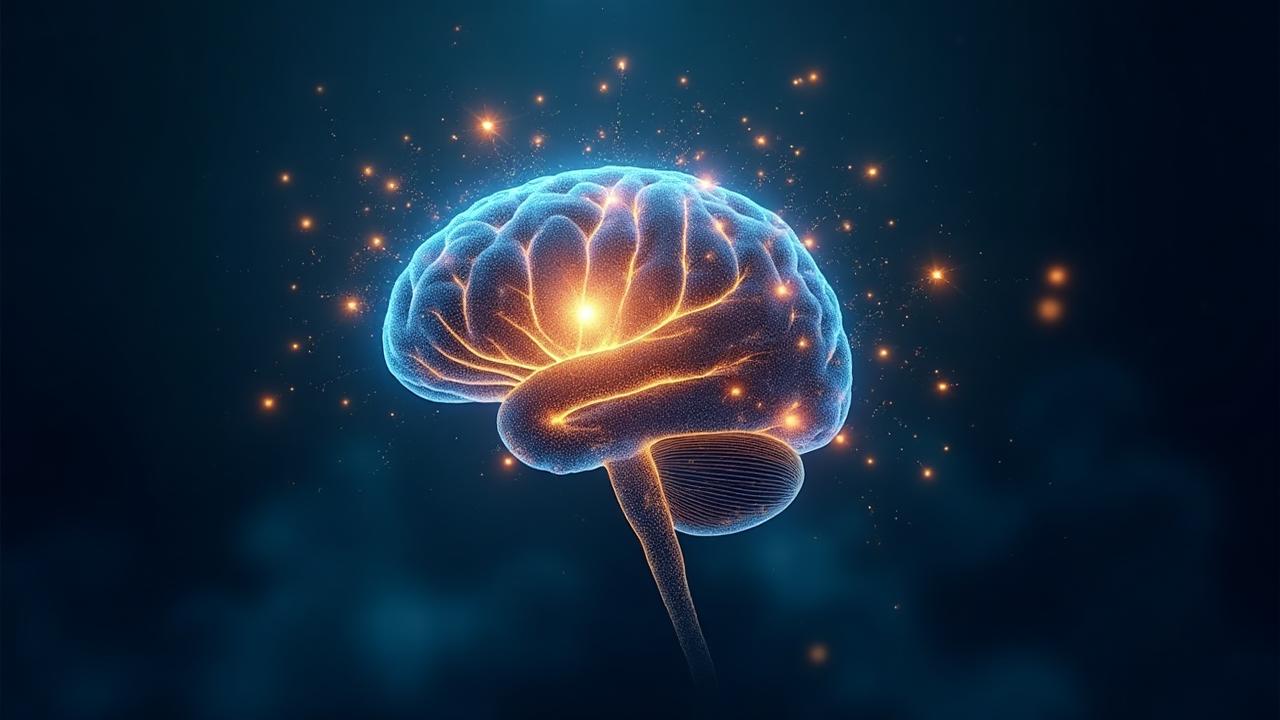
When we discover something new, our brains release dopamine—the same neurotransmitter associated with pleasure, reward, and motivation. This chemical response evolved to encourage behaviors that benefit our survival. Learning about our environment, understanding patterns, and acquiring knowledge all helped our ancestors thrive. Today, this same mechanism makes scrolling through interesting facts feel genuinely pleasurable.

Curiosity as a Drive
Scientists now recognize curiosity as a fundamental human drive, similar to hunger or thirst. When we encounter a gap in our knowledge—something we almost understand but not quite—our brains become motivated to fill that gap. This is why cliffhangers work so well in stories, and why we find it hard to resist clicking on intriguing headlines. The need to know is hardwired into us.
The Surprise Factor
Not all facts trigger the same level of pleasure. Research shows that unexpected information produces stronger dopamine responses than predictable facts. When we learn that a mantis shrimp sees 16 color channels, or that a single jellyfish species can biologically restart its life, the surprise amplifies our brain's reward signal. This is why counterintuitive facts are so memorable and shareable—they literally feel more rewarding to learn.
Discover surprising facts:
Memory and Emotional Connection
Facts that trigger emotional responses—whether wonder, amusement, or disbelief—are stored more effectively in long-term memory. The amygdala, which processes emotions, works closely with the hippocampus, which handles memory formation. When you feel something while learning, you remember it better. This is why personal stories and vivid examples make facts stick.
Social Bonding Through Sharing
Humans are social creatures, and sharing knowledge serves important social functions. When we share an interesting fact with someone, we experience additional pleasure from the social connection. Studies show that information sharing activates the same brain regions as receiving rewards. Teaching others or sparking their curiosity creates a bond and reinforces our own learning.
The Curiosity Loop
Each new fact we learn tends to open doors to more questions. Learning that the Eiffel Tower grows taller in summer might make you curious about thermal expansion, which leads to questions about materials science, which connects to engineering marvels around the world. This curiosity loop keeps us engaged and motivated to continue learning, creating a positive feedback cycle.
Cultivating the Joy of Learning
Understanding why learning feels good can help us nurture this capacity. Approaching new information with openness, seeking out diverse topics, and taking time to appreciate surprising discoveries all strengthen our relationship with learning. In a world full of distractions, the simple pleasure of discovering a new fact remains one of the most accessible joys available to us.
Discover Your Next Favorite Fact
Our database contains over 6,500 curated facts across science, history, space, animals, technology, and more. Find something that sparks your curiosity.
Enjoyed this article? Save or share it!