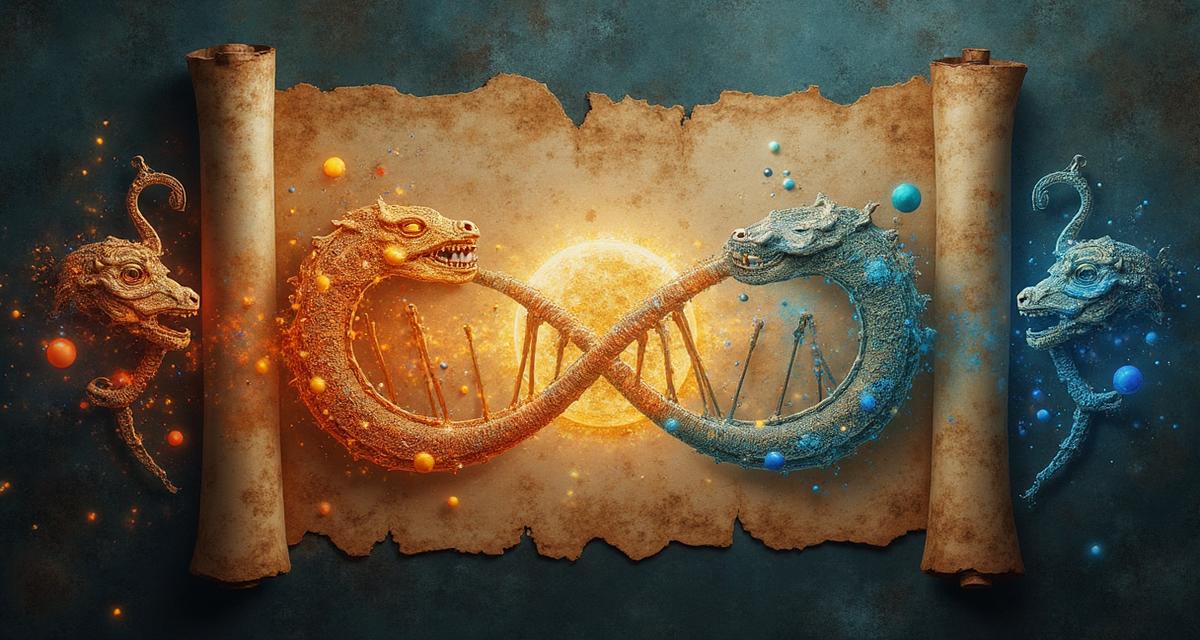
Every day, we are surrounded by information. Some of it is accurate, and some of it is misleading—or completely false. From viral posts on social media to hearsay in conversations, it can be difficult to know what to trust. Understanding how to distinguish real facts from misinformation is not only essential for knowledge, but also for making informed decisions in every aspect of life.
Why False Information Spreads So Easily
Humans are naturally drawn to stories, especially surprising or emotionally charged ones. This is why myths, rumors, and "fake news" spread quickly: they are engaging, memorable, and easy to share. Our brains are wired to respond to novelty and emotion, which means that information that evokes shock, fear, or amazement is more likely to be remembered—even if it isn't true. The challenge is that our instinct to be curious can sometimes make us vulnerable to believing things that sound interesting but are incorrect.
Understanding the Difference Between a Fact and an Opinion
One of the simplest ways to separate truth from fiction is to understand what a fact really is. A fact is a statement that can be verified with evidence, observation, or research. An opinion, on the other hand, reflects a personal belief, interpretation, or feeling. Confusing the two is common, especially online, where subjective statements are often presented as factual. Recognizing this distinction is the first step toward building a reliable understanding of the world.

The Role of Evidence in Verifying Facts
Reliable facts are supported by evidence. This might include scientific studies, historical documents, or direct observation. The key is that the evidence can be independently verified. For example, a historical fact is supported by multiple sources, such as records, letters, or archaeological findings. A scientific fact is reproducible and confirmed through experimentation or observation. Without evidence, a statement—even if widely believed—cannot be considered a fact.
Why Some Myths Feel True
Many myths are rooted in real events or common experiences. They feel believable because they often reflect human intuition or cultural narratives. For instance, the idea that lightning never strikes the same place twice feels intuitive, even though it is false. These "truthy" myths persist because they satisfy our expectations, our fears, or our curiosity, making it more challenging to identify them as untrue.
Explore curated facts:
Tools and Strategies for Fact-Checking
In the modern world, fact-checking is easier than ever if you know where to look. Checking multiple sources, consulting experts, and using reputable fact-checking websites are essential strategies. Critical thinking is equally important: ask whether the information makes logical sense, whether it is consistent with other evidence, and whether it comes from a reliable source. Developing these habits protects us from misinformation and strengthens our understanding of reality.
The Role of Critical Thinking in Daily Life
Critical thinking is not just an academic skill—it is essential for everyday decision-making. From evaluating health advice to understanding news stories, questioning claims and seeking evidence helps us navigate the world more effectively. Learning to spot logical fallacies, exaggerations, and selective reporting empowers us to make choices based on facts rather than assumptions or hype.
How Science Helps Distinguish Fact from Fiction
Scientific methodology is one of the most reliable ways to verify facts. Through observation, testing, and peer review, science separates what is supported by evidence from what is speculation or falsehood. Scientific literacy—understanding how studies are conducted, how data is analyzed, and how conclusions are drawn—is a powerful tool for navigating the modern information landscape.
Why Understanding Facts Matters More Than Ever
In an era of constant information flow, the ability to distinguish facts from fiction is not just an intellectual skill—it is a necessity. Misinformation can affect decisions about health, finances, politics, and personal relationships. Conversely, knowing how to verify information and rely on evidence gives us confidence, clarity, and agency. Facts provide a foundation on which we can build knowledge, solve problems, and navigate an increasingly complex world.
The Endless Pursuit of Truth
The quest to separate fact from fiction is ongoing. Every discovery, every scientific breakthrough, and every well-researched historical insight brings us closer to understanding reality. Myths and misinformation will always exist, but so will our curiosity, reasoning, and determination to seek truth. By cultivating these skills, we ensure that our knowledge is not only accurate but also meaningful and empowering.
Discover Your Next Favorite Fact
Our database contains over 6,500 curated facts across science, history, space, animals, technology, and more. Find something that sparks your curiosity.
Enjoyed this article? Save or share it!