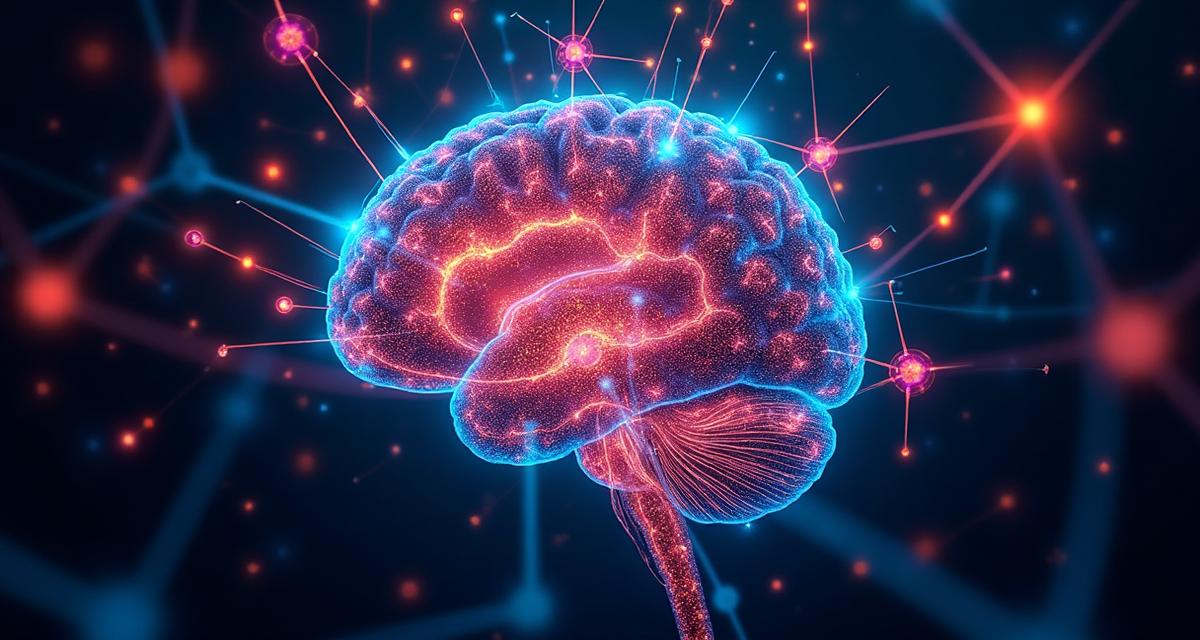
Your eyes don't see the world—your brain does. Every moment, your brain receives millions of bits of sensory data and constructs a coherent experience of reality. But this construction process involves shortcuts, assumptions, and outright fabrications that reveal fascinating truths about how our minds work.
The Illusion of Sight
Your eyes have a significant blind spot where the optic nerve connects to the retina—no photoreceptors exist there. Yet you never notice this gap because your brain fills it in, constructing what it assumes should be there based on surrounding visual information. This is just one of many ways your brain lies to you about what you're seeing.
Colour perception is another illusion. Colours don't exist in the physical world—only wavelengths of light. Your brain interprets these wavelengths and creates the subjective experience of colour. Different contexts can make the same colour appear completely different, as demonstrated by famous visual illusions where identical squares look different shades based on their surroundings.
Change Blindness: Missing the Obvious
In a famous experiment, researchers asked people for directions while secretly swapping the researcher with a completely different person during a brief interruption. Around 50% of participants didn't notice the switch—even when the new person was a different height, had different clothes, and had a different voice.
This "change blindness" reveals that we don't perceive as much as we think we do. Our brains focus attention on what seems important and essentially ignore everything else. We live with the illusion of rich, detailed perception, but research shows our awareness is surprisingly limited.
The Gorilla in the Room
One of psychology's most famous experiments involved asking participants to count how many times basketball players in white shirts passed a ball. During the video, a person in a gorilla suit walked through the scene, beat their chest, and walked off. About half of all participants completely missed the gorilla.
This "inattentional blindness" demonstrates that attention is a limited resource. When we focus on one task, we can become literally blind to unexpected events—even dramatic ones. This has serious real-world implications, from eyewitness testimony to driving safety.
Memory: A Creative Reconstruction
Perception and memory are intimately linked—and equally unreliable. When you remember an event, you don't play back a recording. Instead, your brain reconstructs the memory from scattered pieces, filling in gaps with assumptions and sometimes incorporating details from other sources entirely.
Researchers have successfully implanted entirely false memories in test subjects—convincing them they got lost in a shopping centre as children when it never happened, or that they saw Bugs Bunny at Disneyland (impossible, since Bugs is a Warner Bros. character). Our confident memories can be complete fabrications.
Cognitive Biases: Systematic Errors
Beyond perceptual tricks, our thinking is riddled with cognitive biases—systematic patterns of deviation from rationality. Confirmation bias makes us seek information that supports our existing beliefs. The availability heuristic makes us overestimate the likelihood of events we can easily recall. The Dunning-Kruger effect causes unskilled individuals to overestimate their abilities while experts underestimate theirs.
These biases aren't flaws—they're features. They evolved because they usually work well enough and save cognitive resources. But understanding them can help us recognize when our thinking might lead us astray and make more rational decisions.
Embracing Our Imperfect Minds
Learning about perceptual limitations might seem unsettling, but it's also liberating. Knowing that our perceptions are constructions—not direct windows to reality—can make us more humble about our certainties and more curious about other perspectives.
Our brains are remarkable organs that create a workable model of reality from limited, noisy data. The fact that they sometimes get it wrong doesn't diminish their achievement. Instead, understanding these limitations reveals just how creative and powerful our minds truly are—even when they're tricking us.