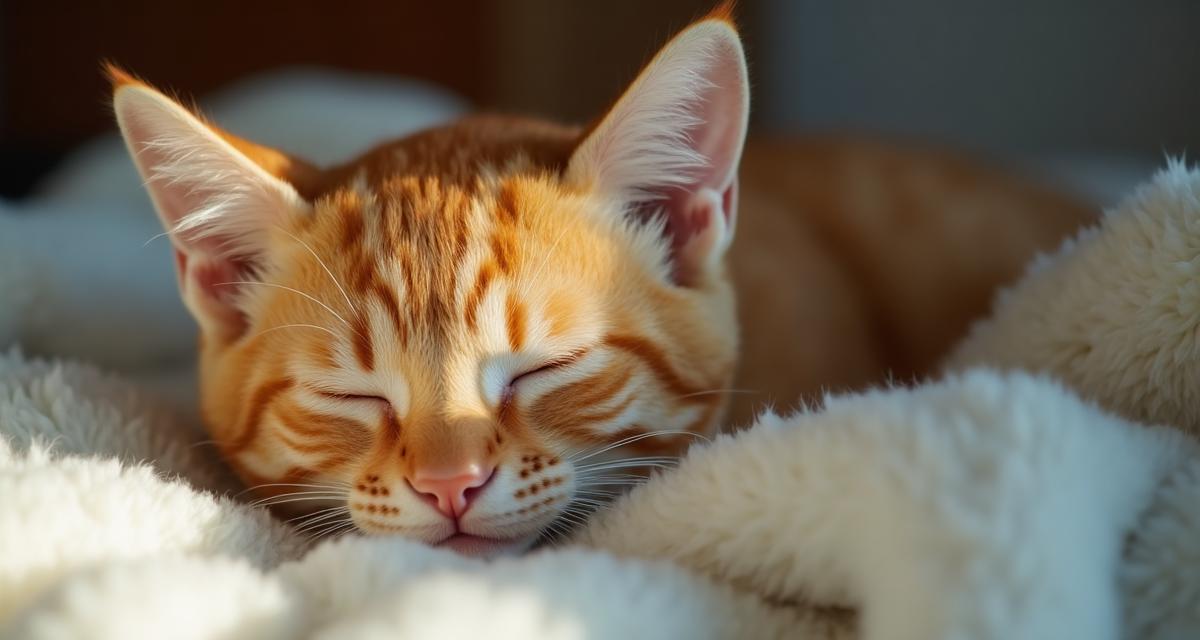
The gentle rumble of a purring cat is one of the most recognizable and comforting sounds in the animal kingdom. But what exactly causes this vibration, and why do cats do it? Science has uncovered surprising answers that go far beyond simple contentment.
How Cats Physically Produce Purring
Purring originates in the cat's larynx (voice box). When a cat breathes, the laryngeal muscles rapidly dilate and constrict the glottis—the part of the larynx surrounding the vocal cords. This creates vibrations during both inhalation and exhalation, producing the continuous purring sound we know and love.
Most cats purr at a frequency between 25 and 150 Hertz. This specific range is significant, as research suggests frequencies in this range can promote tissue healing and bone density. Cats may have evolved purring not just for communication, but as a built-in healing mechanism.
Purring Means More Than Happiness
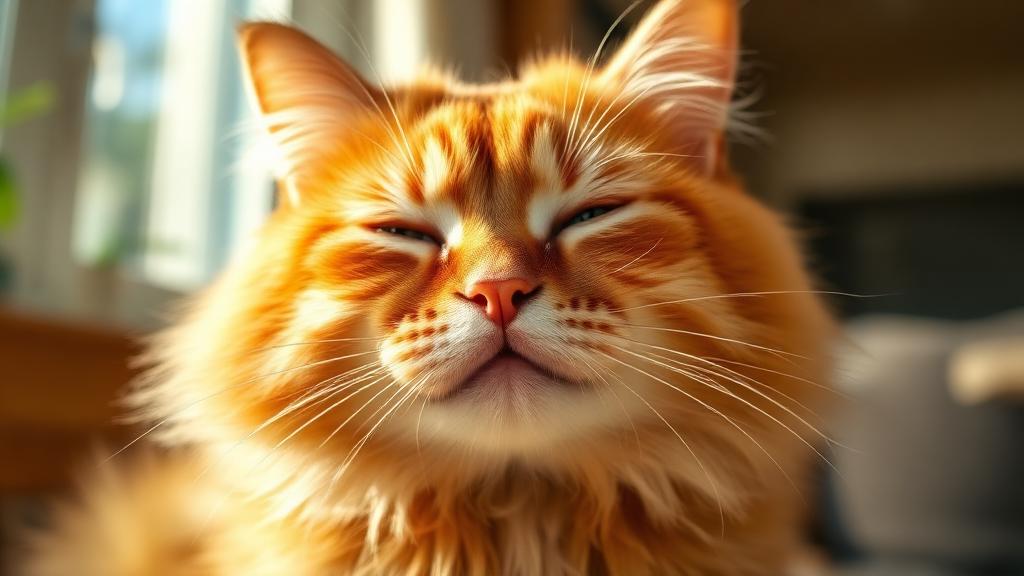
While we often associate purring with a happy, relaxed cat, the truth is more complex. Cats also purr when they're anxious, unwell, or even dying. This suggests purring serves multiple purposes beyond expressing contentment.
Kittens are born blind and deaf but can feel vibrations. Mothers purr to guide their newborns to nurse. This early bonding through purring establishes it as a communication tool from the very beginning of a cat's life. Cats continue using purring throughout their lives to communicate with humans and other animals.
The Healing Power of Purring
The frequency of cat purring has documented therapeutic effects. Studies show that vibrations between 25-50 Hz can stimulate bone growth and healing. This may explain why cats recover from injuries more quickly than dogs and rarely suffer from bone diseases despite their sedentary lifestyles.
For humans, the benefits extend beyond simple relaxation. Research indicates that cat owners have a 40% lower risk of heart attacks. While this isn't solely due to purring, the calming effect of a purring cat may contribute to reduced stress and lower blood pressure.
The "Solicitation Purr"
Scientists have identified a special type of purring called the "solicitation purr" that cats use specifically to manipulate humans. This purr contains an embedded high-frequency cry similar to a baby's cry, triggering an urgent response in human brains. Cats use this purr when they want food or attention—and it works remarkably well.
Not All Cats Can Purr
Interestingly, not all members of the cat family can purr. Lions, tigers, leopards, and jaguars roar but cannot purr continuously. The bone structure in their throats that allows roaring prevents the mechanism needed for purring. Smaller cats like cheetahs, cougars, and domestic cats can purr but cannot roar. You either purr or roar—you can't do both.
What Your Cat's Purr Is Telling You
Understanding the context of purring helps decode what your cat is communicating. A relaxed cat with slow blinks and a soft purr is genuinely content. A cat purring while tense or hiding may be self-soothing when stressed. And a cat purring while staring at an empty food bowl is likely using that irresistible solicitation purr.
The mystery of purring reminds us how much we're still learning about our feline companions. This simple vibration serves as communication, self-healing, bonding mechanism, and perhaps even a sophisticated manipulation tool. The purr is far more than just a sound—it's a window into the complex inner world of cats.