What Is the Largest Animal That Ever Lived?
The largest animal in Earth's history isn't an ancient dinosaur — it's alive right now, swimming in our oceans.
Quick Answer
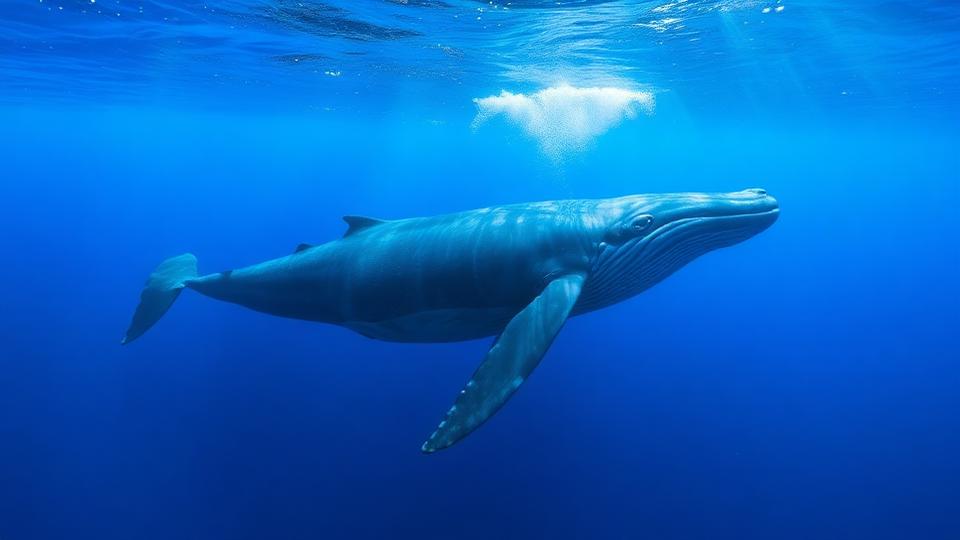
The blue whale (Balaenoptera musculus) is the largest animal ever known to have existed on Earth. Adults can reach up to 30 meters (98 feet) in length and weigh up to 200 tonnes (440,000 pounds).
Blue whales are truly enormous — their hearts are the size of a small car, their tongues can weigh as much as an elephant, and their blood vessels are wide enough for a human to swim through. A newborn blue whale calf is already about 7.5 meters (25 feet) long and weighs approximately 2,700 kg (6,000 pounds).
Despite their massive size, blue whales feed almost exclusively on tiny shrimp-like creatures called krill. During feeding season, a single blue whale can consume up to 4 tonnes (8,800 pounds) of krill per day — roughly 40 million individual krill.
No dinosaur ever matched the blue whale's size. The largest known dinosaur, Argentinosaurus, weighed an estimated 70–100 tonnes — only about half the weight of the largest blue whales. Scientists believe that the buoyancy provided by water allows blue whales to grow far larger than any land animal could support.
Tragically, industrial whaling in the 20th century reduced the blue whale population from an estimated 350,000 to fewer than 5,000 by the 1960s. Since the ban on commercial whaling in 1966, populations have slowly recovered to an estimated 10,000–25,000 individuals, but they remain endangered.
Key Fact
The blue whale is the largest animal ever to have lived on Earth — larger than any dinosaur. Its heart alone weighs about 400 kg (900 pounds) and beats just 8–10 times per minute when diving.
Why It Matters
Blue whales are a keystone species in marine ecosystems. Their fecal plumes fertilize the ocean surface with iron and nitrogen, stimulating phytoplankton growth that produces oxygen and absorbs CO2. Scientists estimate that a single great whale sequesters about 33 tonnes of CO2 over its lifetime. Protecting whale populations is increasingly recognized as a climate change mitigation strategy, making whale conservation relevant far beyond marine biology.
Did You Know?
- •A blue whale's heartbeat can be detected from over 3 kilometers (2 miles) away.
- •Blue whale calls are the loudest sounds made by any animal, reaching 188 decibels — louder than a jet engine.
- •A blue whale calf drinks about 380 liters (100 gallons) of its mother's milk per day and gains roughly 90 kg (200 pounds) daily.
- •Blue whales can live for 80–90 years, with the oldest known individual estimated at over 110 years old.
- •Despite their enormous size, blue whales can swim at speeds of up to 50 km/h (31 mph) in short bursts.
How to Appreciate the Blue Whale's Size
Putting the largest animal ever into perspective with everyday comparisons.
- 1
Know the measurements
Blue whales reach up to 30 meters (98 feet) long and weigh up to 200 tonnes — heavier than most dinosaurs ever were.
- 2
Compare the heart
A blue whale's heart is the size of a small car (about 180 kg) and can be heard beating from 3 km away.
- 3
Understand their tongue
A blue whale's tongue alone weighs as much as an elephant — about 2,700 kg (6,000 lbs).
Related Facts
Frequently Asked Questions
Explore More
Amazed by the natural world? Explore more incredible animal facts.
Explore SnapFacts