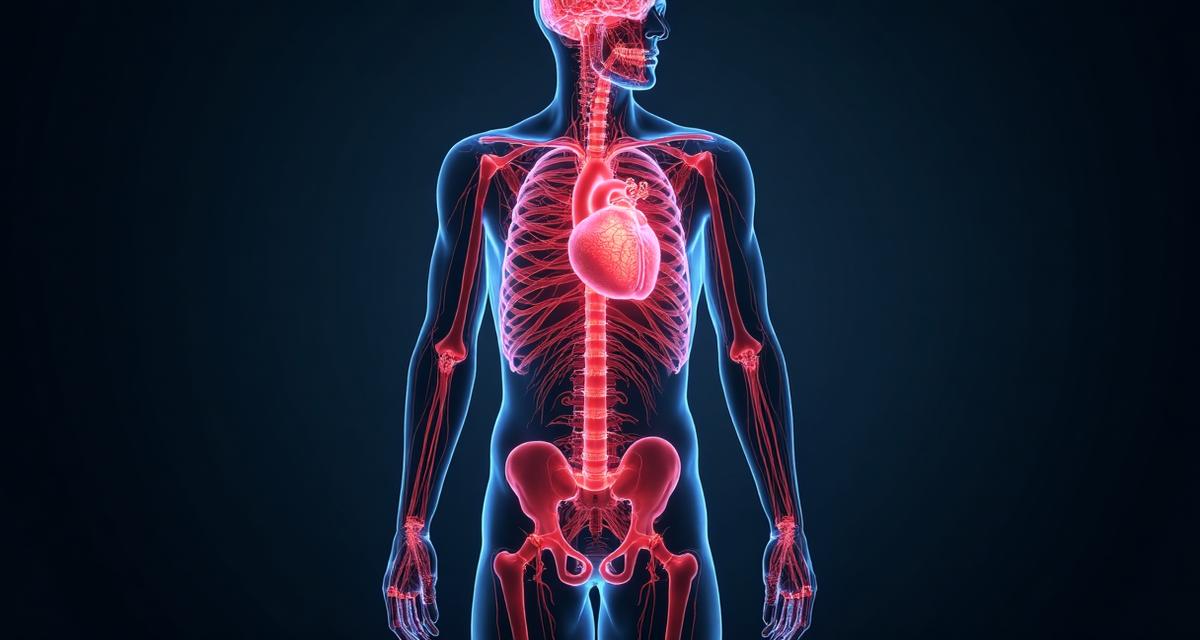
The human body is arguably the most complex machine in existence. Every second, trillions of chemical reactions occur, billions of cells communicate, and countless processes keep you alive without any conscious effort. Here are some of the most incredible facts about the body you live in every day.
Your Brain: The Universe Inside Your Head
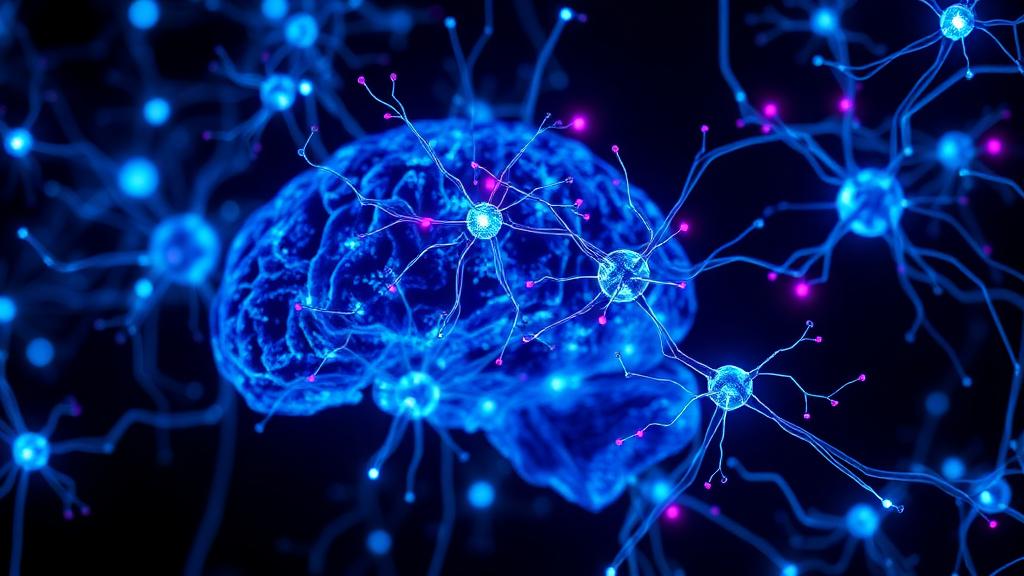
The human brain contains approximately 86 billion neurons, forming complex networks for processing information. To put this in perspective, that's more neurons than there are stars in the Milky Way visible to the naked eye. Each neuron can connect to thousands of others, creating trillions of potential pathways for thoughts, memories, and sensations. For a full deep dive into neuron counts, energy use and neuroplasticity, see our guide to human brain facts.
Perhaps surprisingly, approximately 60% of the human brain is made of fat, making it the fattiest organ in the body. This fat isn't wasted space—it's essential for insulating neurons and enabling rapid signal transmission. Your brain also uses about 20% of your body's total energy, highlighting its importance in maintaining bodily functions even when you're resting.
Your Heart: The Tireless Pump
On average, a human heart beats about 100,000 times a day, pumping around 7,500 liters of blood. Over a lifetime, that adds up to roughly 3 billion heartbeats. The heart pumps blood through a network of over 96,000 kilometers of blood vessels—enough to circle the Earth more than twice.
Unlike other muscles that tire after continuous use, the heart has specialized cells called cardiomyocytes that can contract rhythmically without fatigue. This is why your heart never needs to "rest" in the way your leg muscles do after a long run.
Your Unique Identifiers
Everyone knows about fingerprints, but did you know that every human has a unique tongue print? Just like fingerprints, the pattern of ridges and bumps on your tongue is entirely unique to you. Scientists have even explored using tongue prints for biometric identification.
Humans are also the only animals known to blush—a response linked to social emotions. This involuntary reaction is caused by the release of adrenaline, which causes blood vessels in the face to dilate. Charles Darwin called blushing "the most peculiar and most human of all expressions."
Your Digestive System: The Inner Factory
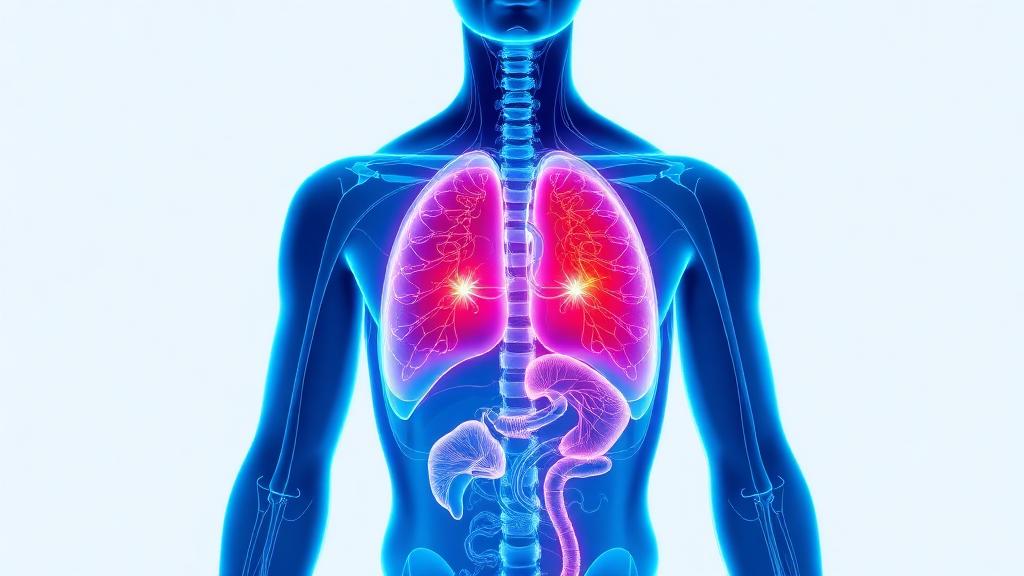
The small intestine is the longest part of the human digestive system, measuring about 6.7 meters in length. Despite its name, it's where most nutrient absorption occurs, thanks to millions of tiny finger-like projections called villi that increase the surface area to the size of a tennis court.
The average person produces between 1 to 2 liters of saliva each day, aiding in digestion. Over a lifetime, you'll produce enough saliva to fill two swimming pools. Saliva contains enzymes that begin breaking down food before it even reaches your stomach.
Your Largest Organ
Human skin is the body's largest organ, covering an average area of about 2 square meters in adults. It serves as a protective barrier against pathogens, regulates body temperature, and contains millions of sensory receptors that allow you to feel touch, pressure, heat, and cold.
Your skin completely renews itself approximately every 27 days. The outermost layer of skin cells is constantly being shed and replaced—you lose about 30,000 to 40,000 dead skin cells every minute.
Your Eyes: Windows to the World
The human eye can distinguish about 10 million different colors, thanks to specialized cells in the retina called cones. You have three types of cones, each sensitive to different wavelengths of light (red, green, and blue), and your brain combines their signals to create the full spectrum of colors you perceive.
Your eyes are the second most complex organ after the brain, containing over 2 million working parts. They can process 36,000 pieces of information every hour and are the fastest reacting muscle in the body—a blink takes only 100-150 milliseconds.
Growing and Changing
Adults have about 206 bones in their bodies, but infants are born with approximately 270 bones. Many of these fuse together as children grow, eventually consolidating into the adult skeleton. This is why babies are more flexible than adults—their bones haven't yet fully hardened. Learn more in our full breakdown of bones in the human body.
Your body is in a constant state of renewal. Every seven to ten years, nearly every cell in your body has been replaced. Some cells, like those lining your stomach, are replaced every few days, while others, like bone cells, may take a decade to renew.
These facts remind us that we carry extraordinary biological machinery with us every moment of our lives. The next time you take a breath, blink an eye, or feel your heart beat, remember: you're experiencing one of nature's most remarkable achievements.