How Many Teeth Do Adults Have?
You use them every day for eating, speaking, and smiling — but most people don't know exactly how many teeth they have or what each type does.
Quick Answer
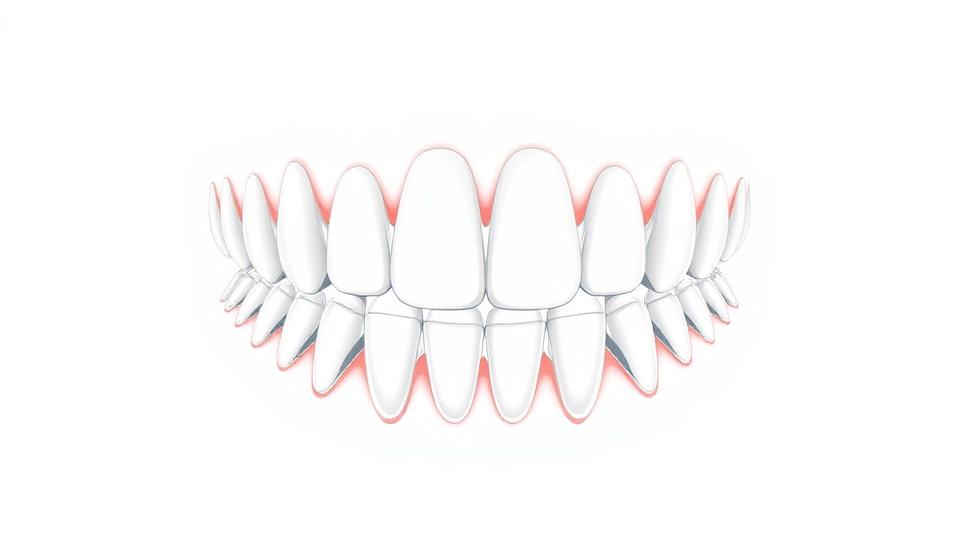
Adults have 32 permanent teeth, including 8 incisors, 4 canines, 8 premolars, and 12 molars (which includes 4 wisdom teeth). Children have 20 primary (baby) teeth that begin falling out around age 6.
The 32 adult teeth are divided into four types, each serving a specific function. The 8 incisors (4 upper, 4 lower) are the flat front teeth used for cutting food. The 4 canines (the pointed 'fang' teeth) are designed for tearing. The 8 premolars have flat surfaces for crushing, and the 12 molars (including wisdom teeth) are built for grinding food.
Children start with 20 primary (deciduous or 'baby') teeth, which typically begin appearing around 6 months of age. These start falling out around age 6 and are gradually replaced by permanent teeth. The process is usually complete by age 12–13, with the exception of wisdom teeth, which may emerge between ages 17–25.
Wisdom teeth (third molars) are the most commonly missing or problematic teeth. About 35% of people never develop wisdom teeth at all, and many who do need them removed because modern human jaws are often too small to accommodate them. This is thought to be an evolutionary change — our ancestors needed larger jaws and more grinding teeth to process tough, uncooked foods.
Tooth enamel — the outer coating of your teeth — is the hardest substance in the human body, even harder than bone. However, unlike bone, enamel cannot regenerate once damaged, which is why dental care is so important. Your teeth are unique to you — even identical twins have different dental patterns.
Key Fact
Adults have 32 permanent teeth, but many people end up with 28 after wisdom teeth removal. Tooth enamel is the hardest substance in the human body — harder than steel of the same thickness.
Why It Matters
Dental health is directly linked to overall health in ways that many people underestimate. Poor oral health has been connected to heart disease, diabetes, respiratory infections, and even Alzheimer's disease. Understanding your teeth and maintaining them properly can prevent serious health complications. Advances in dental science have made modern humans the first generation to commonly keep all their teeth into old age — throughout most of human history, significant tooth loss was the norm by middle age.
Did You Know?
- •No two people have the same set of teeth — your dental pattern is as unique as your fingerprint, which is why dental records are used for identification.
- •Tooth enamel is the hardest substance in the human body — it's composed of 96% minerals, primarily hydroxyapatite.
- •Sharks can grow over 20,000 teeth in their lifetime, replacing them continuously, while humans only get two sets.
- •The average person spends about 38 days brushing their teeth over the course of their lifetime.
- •About 35% of people are born without wisdom teeth — a trend that appears to be increasing in modern populations.
How to Count and Identify Adult Teeth
A guide to understanding the types and arrangement of human teeth.
- 1
Count the total
Adults have 32 teeth in total, including wisdom teeth. Without wisdom teeth, the count is 28.
- 2
Identify the types
There are 8 incisors (cutting), 4 canines (tearing), 8 premolars (crushing), and 12 molars including 4 wisdom teeth (grinding).
- 3
Know the two sets
Humans are diphyodont — we get two sets of teeth. The first 20 baby teeth emerge by age 3 and are replaced by permanent teeth between ages 6-12.
Related Facts
- •Humans share about 60% of their DNA with bananas
- •Humans share about 60% of their DNA with bananas
- •The average person dreams for about 2 hours each night
- •Your body produces about 1 liter of saliva per day — enough to fill two bathtubs per year
Frequently Asked Questions
Explore More
Want to learn more fascinating facts about the human body? Explore more.
Explore SnapFacts