Interesting Human Body Facts (2026)
Discover curated facts about the human body, health, anatomy, and medical science. Explore surprising truths about the most complex machine in the known universe.
Top Human Body Facts Right Now
- 1.
Your body produces about 25 million new cells each second.
- 2.
The human brain uses about 20% of the body's total energy despite being only 2% of its weight.
- 3.
Your stomach lining replaces itself every 3 to 4 days to prevent self-digestion.
- 4.
Humans share about 60% of their DNA with bananas.
- 5.
The cornea is the only part of the body with no blood supply — it gets oxygen directly from the air.
- 6.
Your nose can remember 50,000 different scents.
Why These Human Body Facts Matter
Understanding your own body empowers better health decisions. These facts go beyond textbook anatomy to reveal surprising connections — like how gut bacteria influence mood, why sleep deprivation affects judgment as much as alcohol, and how exercise literally grows new brain cells. Health literacy is one of the most valuable forms of knowledge, and these bite-sized facts make complex concepts accessible for everyone.
Popular Human Body Questions
In-depth answers to the most searched questions
Explore Human Body by Topic
Browse All Human Body Facts
Humans have the ability to distinguish about 1 trillion different scents, thanks to our olfactory receptors.
An adult human has 206 bones, while a newborn baby has approximately 270, some of which fuse together as they grow.
Your liver performs over 500 functions, including detoxifying harmful substances and producing bile for digestion.
The brain uses approximately 20% of the total oxygen and calories consumed by the body, despite being only 2% of body weight.
Human saliva contains a painkiller called opiorphin, which is more potent than morphine and helps relieve pain.
The appendix, once thought to be useless, plays a role in gut health and the immune system.
Pain receptors are distributed throughout the body, but the brain itself lacks pain receptors, making brain surgery painless.
The amount of bacteria in and on the human body is roughly equal to the number of human cells, showcasing our microbial friends.
There are over 600 muscles in the human body, allowing a wide range of movement and stability.
On average, a human sneeze can travel up to 100 miles per hour, releasing thousands of droplets.
Human Body Facts FAQ
Are health facts on SnapFacts medical advice?
No. Our health facts are educational and informational. They are written from medical literature but are not medically reviewed and should not replace professional medical advice. Always consult a healthcare provider.
What sources do you use for body facts?
We source human body facts from medical journals, anatomy textbooks, WHO publications, and reputable health organizations like the Mayo Clinic and NIH.
Can I use these facts for health education?
Yes. Many educators and health communicators use our facts to make health topics engaging and accessible for students and the general public.
Do you cover mental health topics?
Yes. Our collection includes facts about the brain, neuroscience, psychology, sleep, stress, and mental wellness alongside physical health topics.
Related Articles

Why We Love Facts: The Psychology Behind Curiosity
Why tiny pieces of information trigger big reactions in the human brain.

The Science Behind Why We Dream
Explore the fascinating world of dreams and what modern neuroscience tells us.
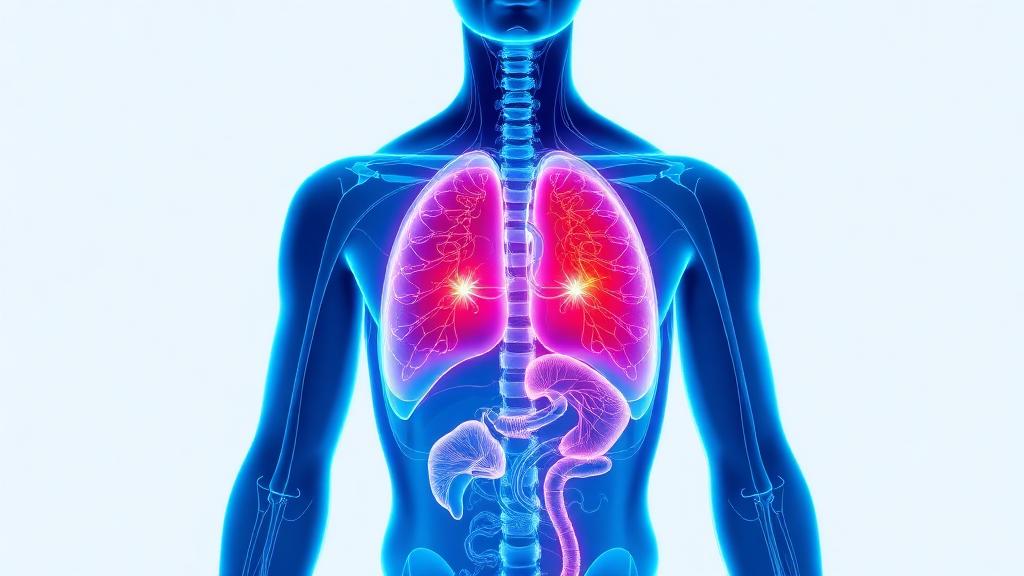
Incredible Facts About the Human Body
Amazing things your body does that you never knew about.
Explore More Facts
Discover curated facts across space, history, animals, technology, and more — all free, no signup required.